A Priceless Coin
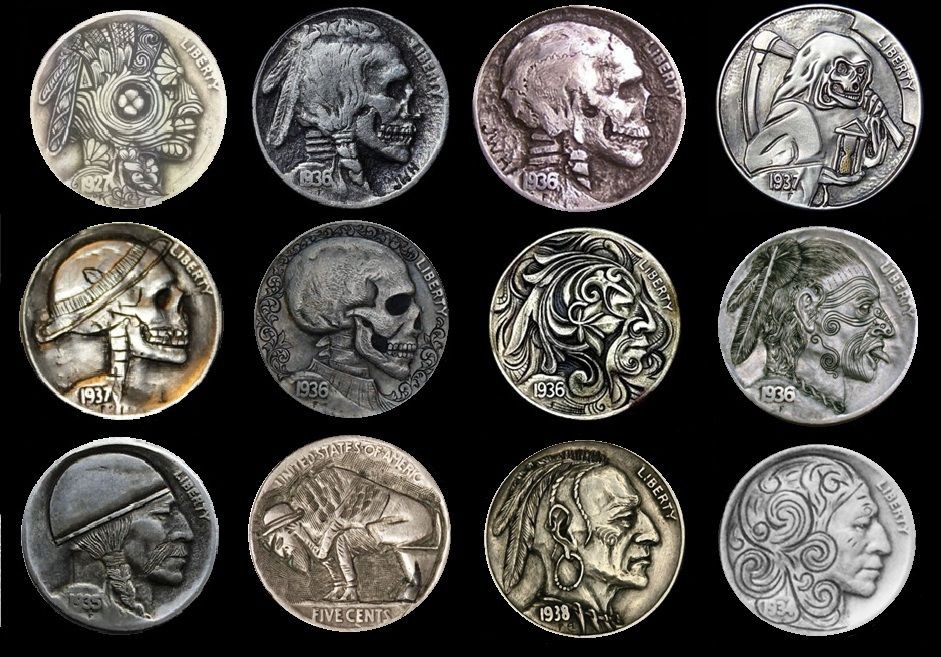
A hobo nickel is carved as opposed to engraved. Little by little metal is shaved away or mounded to create a miniature bas relief sculpture.
The origins were in the 18th century American Depression, social unrest, tens of thousands of people lost their jobs, and became homeless. Some people used some simple hand-made tools to beautify coins, add artistic value.
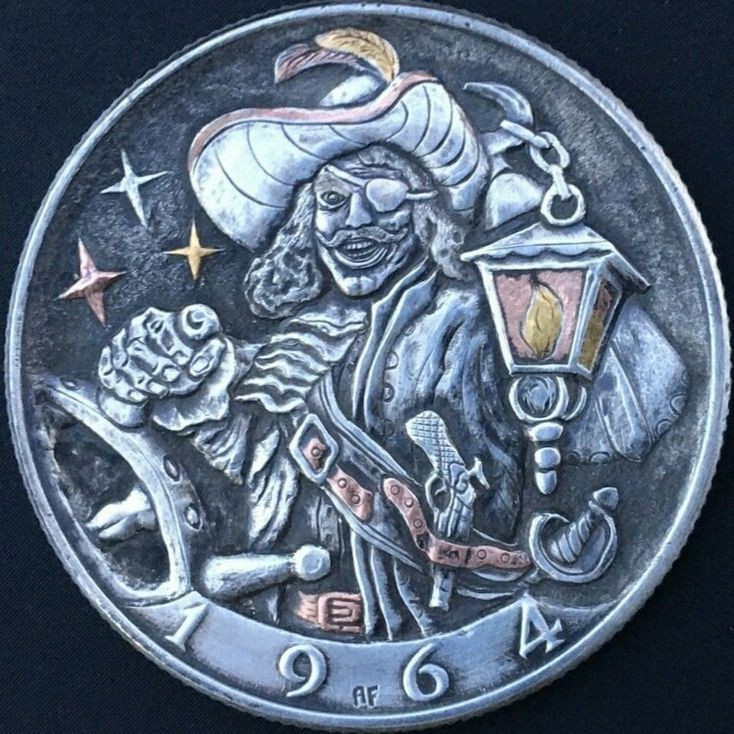
In addition, these coins are small and easy to carry, so they are named as “Hobo Nickel".
The origin of “hobo" came to an abrupt end in California in the 1990s. According to Cambridge Dictionary, hobo means someone who does not have a job or a house and who moves from one place to another. They are totally different from tramps.
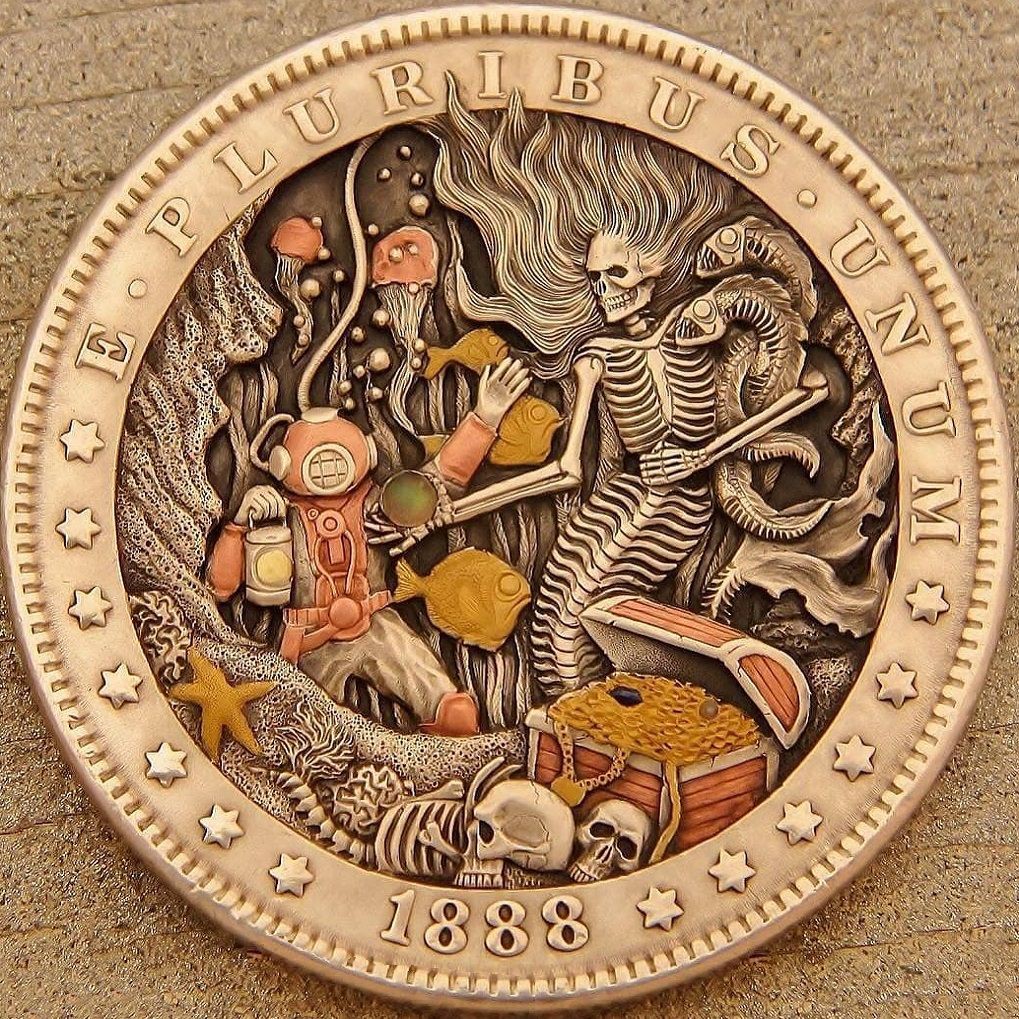
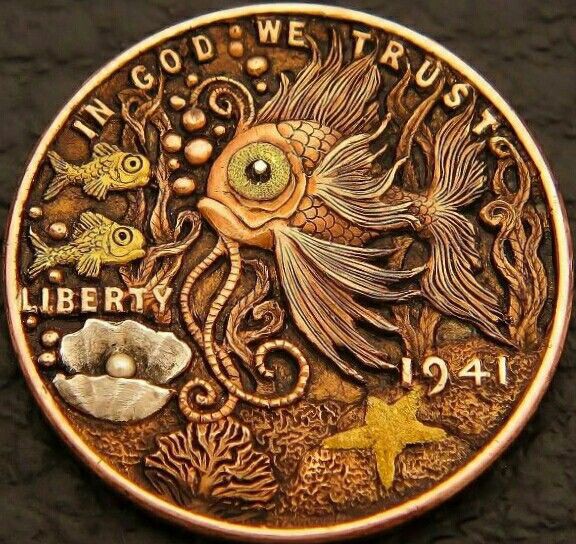
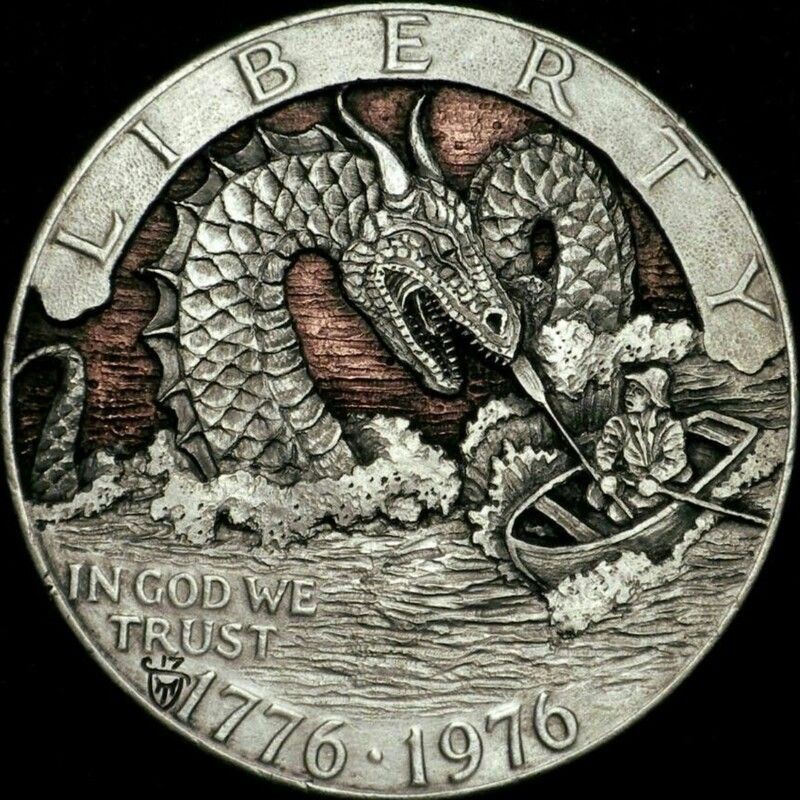
In the late 18th century, artists at that time were no longer confined to art forms, and softer coins became carriers of artistic creation. They used carving knives to create bas-reliefs on outdated coins, which made them second Secondary life.
Nowadays, modren hobo nickel is having countless development potential. Prolific carvers are focusing from quantity to quality, making fewer pieces of high artistic quality
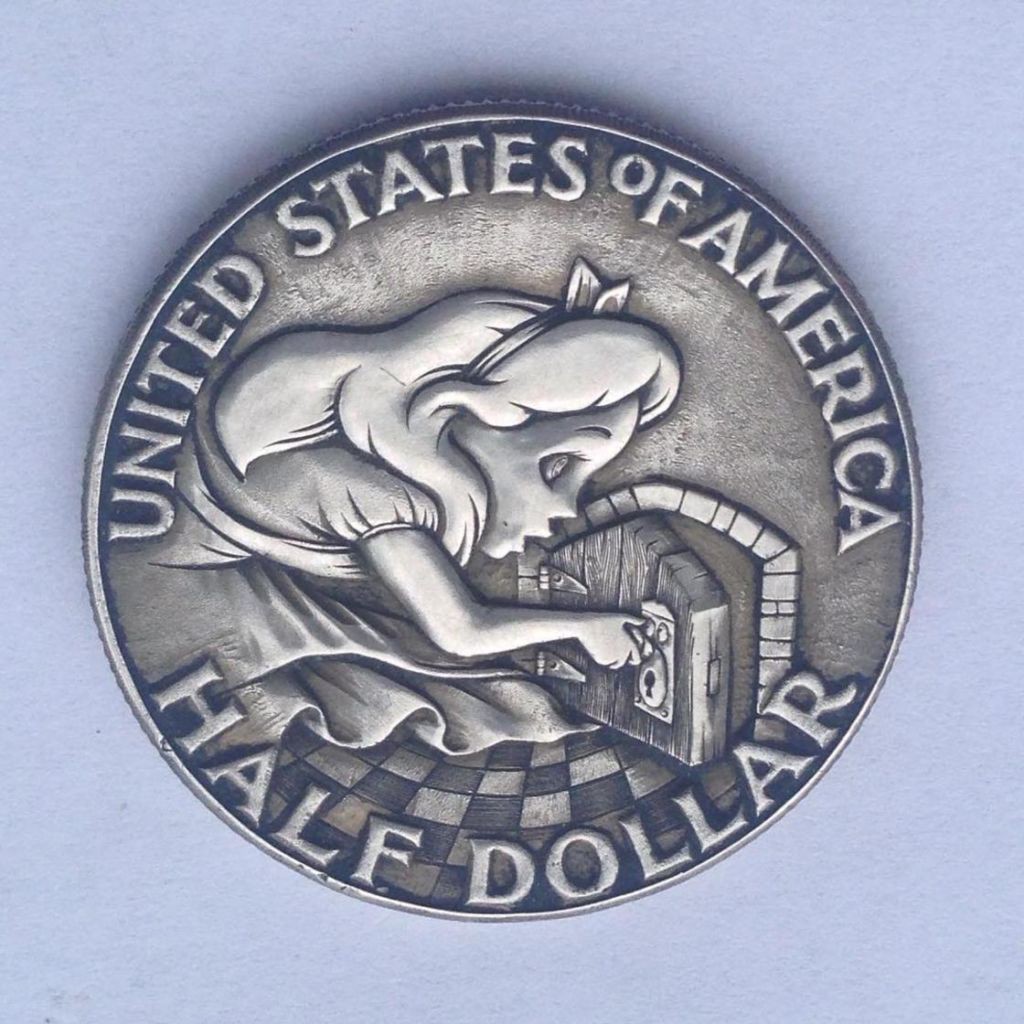
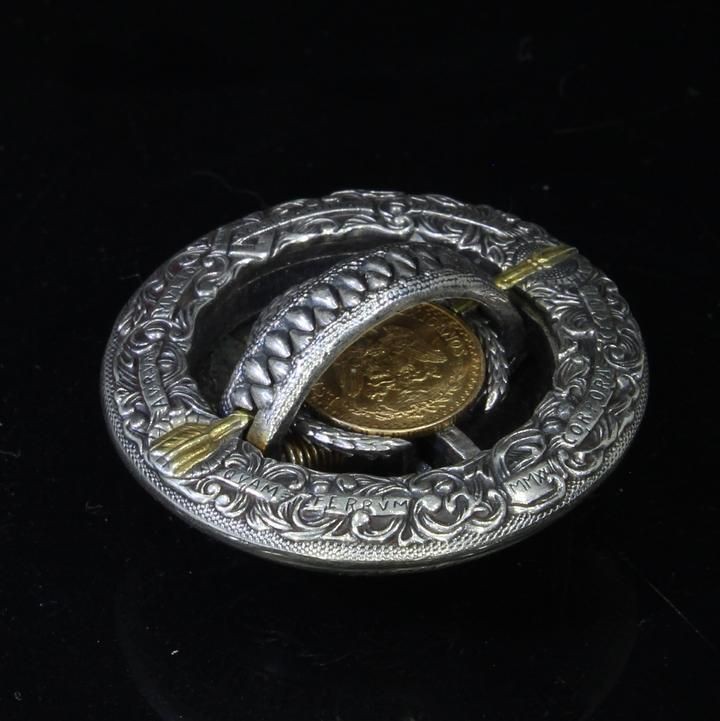
All photos are from Internet
Cynthia.so 28.2.2020
 CYNTHIA'S DIARY